
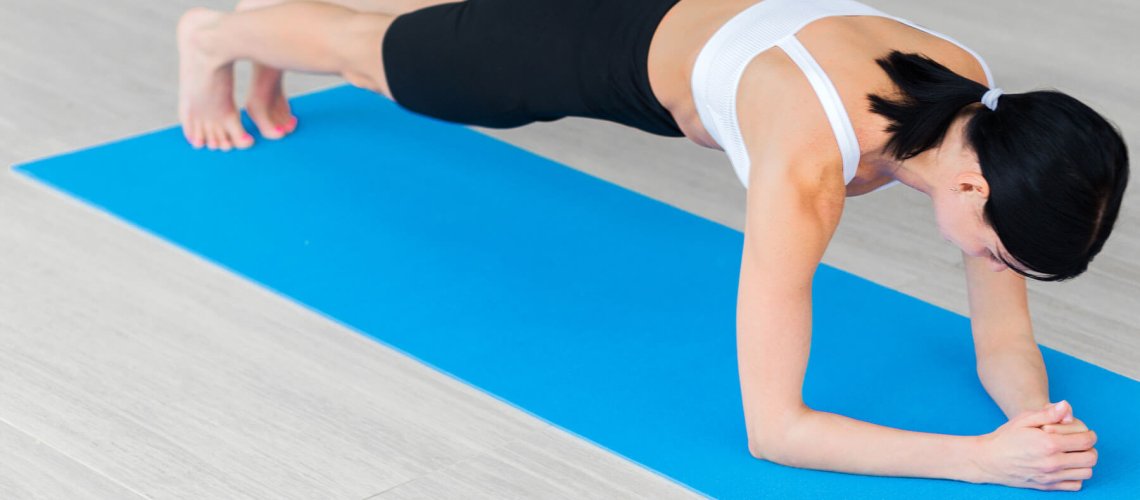

You know that there is more to pain care, and to getting people “better” than getting stronger.
Imagine that you just guided a client with persistent mid-back pain through a body scan. This is the second time you have worked with them and they seemed comfortable with you and this technique, but it is obvious to you that their breath became more shallow and the muscles of their face tensed when you were guiding them to scan the back of their torso. When the scan is completed, you have asked them if it feels okay to share with you what they noticed when they were scanning their torso. They look you in the eye and ask this question:
“Can we skip all this mysticism and self-reflection and get to making me stronger so I’ll get better?”
If you are like me, your mind would race through possibilities. What is this person expressing?
Maybe it’s been a difficult day, or maybe they didn’t sleep well last night. Maybe feelings arose that are not comfortable, or that the client is not ready to share. Maybe we missed or misunderstood some important information during the first visit. Maybe this individual has an intuition about the best approach to recovery, or maybe they believe that the only way to get better is to get stronger.
How might you respond?
Let’s take this statement from the client as an opportunity to listen more. Rather than continuing with the plan we already had for the day, we can pause and endeavour to increase our understanding of the client. Even something as simple as “Please tell me more about what you mean”, might open the door to the client providing more guidance in how we can work together as a team.
The nuance I would like to highlight here is that the client might have just pointed us to an option or a pathway that would guide their care. Maybe they are explaining that there is another path to best success. Could we provide a pain care plan that looks as if it is a strengthening plan, feels like a strengthening approach to the client, includes strengthening goals, and even measures progress by assessing strength? In other words, might we be able to integrate contemplative practices and a body-mind approach into a strengthening program?
We also have the option of providing the client with a rationale for taking a different path that focuses on strength as the primary goal toward recovery. Sometimes sharing our expertise and experiences of previous clients will open the door for a client to consider an alternative approach. Yet maybe we can proceed with the option of discussing two different pain care paths with the client, and then ask them which one they feel would be more engaging and which one would lift their motivation the most. Staying engaged in learning the skills of pain care is often a key factor in improvement.
Next time you are in a situation like this, remember that success can be attained through many paths. Being patient-centered includes that the client can provide expert information. It also means that the clinician can share their expertise and experiences to help the client with informed decision-making.
How will you interact with your client, next time you hear, “Can we skip all this mysticism and self-reflection and get to making me stronger so I’ll get better?”