
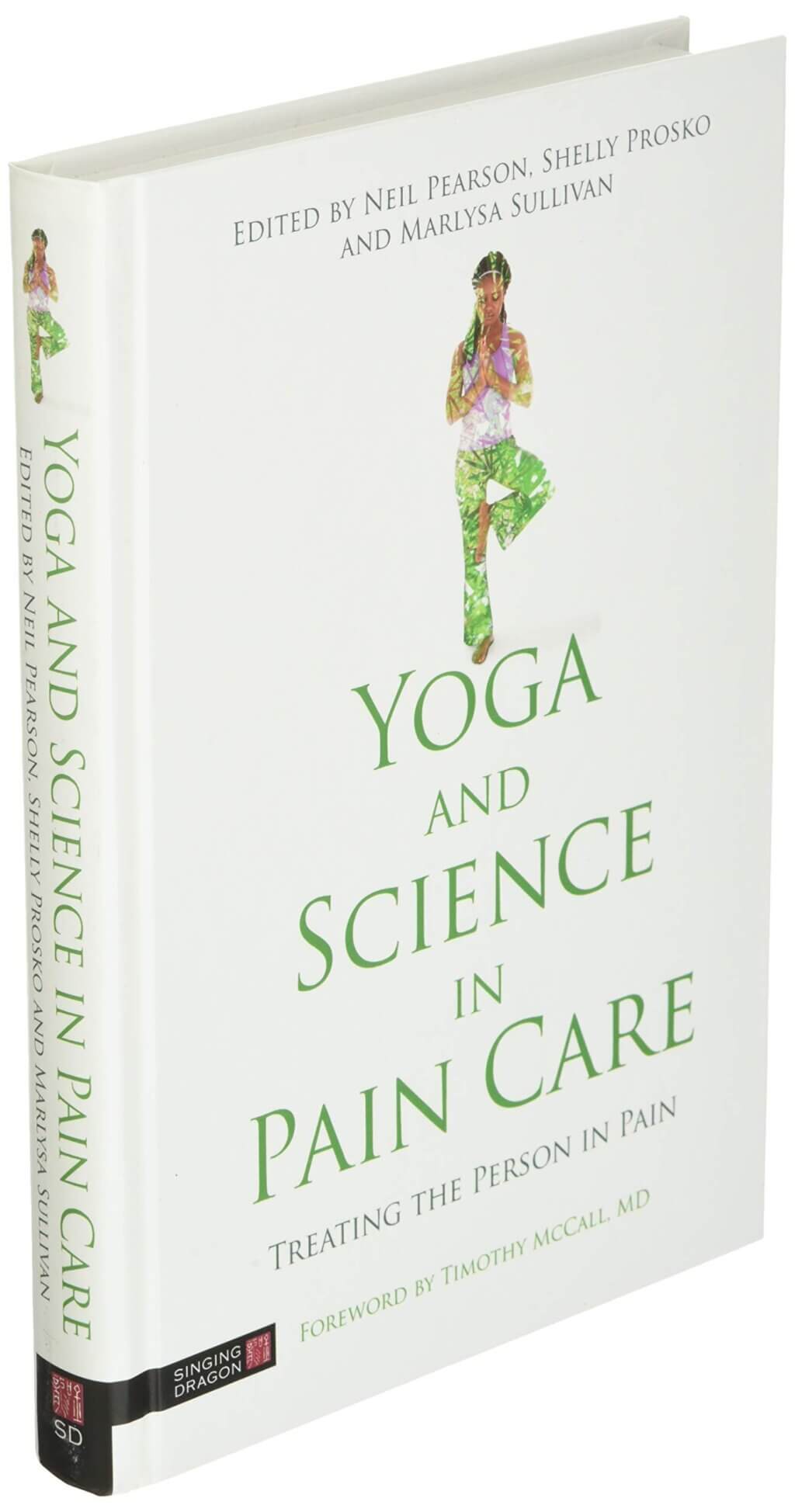
Yoga and Science in Pain Care:
Treating the Person in Pain
More Hope for People with Chronic Pain and More Options for Medical Practitioners
Supporting Yoga as an Effective Pain Care Option
Editors
Neil Pearson PT, MSc, BA-BPHE, C-IAYT, ERYT500
Shelly Prosko PT, C-IAYT
Marlysa Sullivan PT, PhD, C-IAYT
When there is chronic pain we look to powerful medications for relief, yet there are other ways to help. The opioid crisis and all its associated issues make it clear that chronic pain requires humanistic approaches as well as medical solutions. Level 1 research evidence clearly shows that yoga therapy, especially when provided as part of an integrated pain care plan, can offer lasting improvements in pain, in ease of movement, and in quality of life.
Yoga and Science in Pain Care, edited by Nanoose Bay resident and UBC Clinical Assistant Professor, Neil Pearson, along with two Physical Therapy and Yoga Therapy colleagues, explores not only scientific and yogic perspectives on pain, but also the lived experience of pain, and pain management (pain care). Many people in pain will find benefit from chapters written by eleven clinician-authors each with decades of experience helping people living in pain. Yet, this textbook was written to teach health professionals about yoga therapy, and to teach yoga therapists about pain science.
The book begins with the voice of a person living in pain. Then research into yoga’s effects on pain and theories of pain management are explored. There are so many misconceptions about yoga and about pain, so chapter 4 describes yoga and yoga therapy, before chapter 5 provides a discussion of pain biology. The next chapters discuss different aspects of human physiology related to pain and to pain care before tackling two important questions we often hear from patients: “how am I supposed to exercise to get better when movement produces more pain”, and “how can something as simple as breathing be so effective in so many aspects of pain care”. Interactions between pain, mindfulness and nutrition lead the reader into how practices and techniques of yoga therapy assist with psycho-emotional pain, addictions, and oft-overlooked grief. The final two chapters address compassion, connectedness, meaningful relationships and life purpose. To the person in pain, these topics are critical to recovery yet at times under-emphasized in the current health system. For health professionals and yoga therapists they will provide an expanded view of pain care, and advance a framework from which yoga therapy and other contemplative movement practices can be explored as an aspect of effective pain care.
“This splendid book is a ‘must’ for anyone who wishes to deal with the pandemic of persistent pain. There is no greater joy and fulfillment of purpose in one’s life than the ability and opportunity to help another fellow human being transcend their pain and suffering.”
Dr. Ananda Bhavanani MBBS, MD, DSc(Yoga), C-IAYT
Director, CYTER of Sri Balaji Vidyapeeth, Pondicherry, India
Purchase here for a 20% discount on the hardcover price
Yoga and Science in Pain Care was published in Canada in August 2019 from UBC Press. The book includes patient-valued, partnership-based, empowering and biopsychosocial-spiritual approaches that integrate what we have learned from science, from yoga, and most importantly from the lived experiences of people in pain.

Understand Pain, Live Well Again
By Neil Pearson, 2007
Neil self-published a patient pain education book Understand Pain Live Well Again in 2007. It has been translated to French and Mandarin. The English version is available as an ebook for a nominal amount on Amazon.
Those interested in a free narrated version can listen to the author narration below.
Other Educational products in which Neil has been a lead contributor
Lifemark’s First 5 Steps (FREE)
Pain BC Gentle Movement@Home videos
Pain BC Pain Foundations online course
Low Back and Chronic Pain Self Care journeys in the PC Health App